

East Midlands Antimicrobial Resistance Network (EMAN)
On Monday 30 March 2026, the East Midlands Antimicrobial Resistance Network (EMAN) hosted a face‑to‑face, one‑day research and networking event at University Park, University of Nottingham. The event was generously supported by a Healthcare Infection Society (HIS) Sponsored Event Grant, for which we are extremely grateful.
EMAN is a multidisciplinary network bringing together researchers and professionals working on antimicrobial resistance (AMR) across the East Midlands. Members span a wide range of disciplines, including microbiology, mathematical modelling, bioinformatics, social science and chemistry, alongside clinicians and professionals from both human and veterinary healthcare. Established in 2024, the network aims to strengthen regional collaboration, promote multidisciplinary approaches to tackling AMR and enhance the translational potential of AMR research.
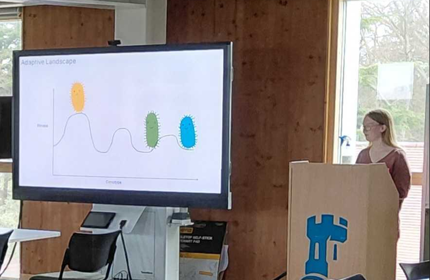
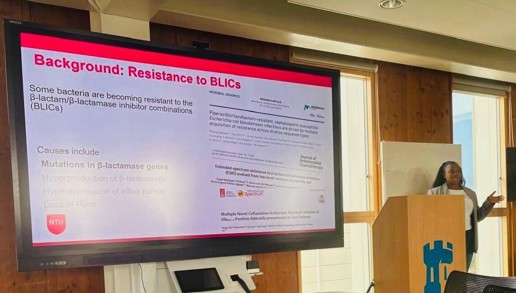
This event represented the network’s second in‑person research meeting, complementing a programme of quarterly online seminars that feature speakers from across the UK and beyond. The primary aims of the day were to support knowledge exchange, particularly showcasing the work of early career researchers (ECRs), and to actively facilitate new collaborations within the network. The event ran from 09:30 to 16:00 and was attended by 50 researchers and healthcare professionals working in, or with a strong interest in, AMR. The programme was framed by two engaging scientific sessions showcasing ECR‑led research, with eight presentations covering topics such as novel antimicrobial targets, drug development strategies and microbial evolution. Between these sessions, participants took part in poster presentations (12 posters), a collaborative grant‑pitching session and a showcase of key equipment and facilities available within the EMAN community, highlighting resources for future collaborative projects.
A central feature of the day was two structured networking sessions designed to maximise interaction across disciplines and career stages. Participants were randomly assigned to small, mixed‑career groups. In the first session, groups explored their individual strengths and research priorities, identifying opportunities to combine expertise to address shared AMR challenges. Groups were then reshuffled for a second session, where these early ideas were further refined and participants discussed how EMAN could support the development of collaborative projects moving forward. Informal networking was encouraged throughout the day using “ask me about” badges, enabling attendees to highlight specific research interests and initiate discussions.
Feedback from attendees was overwhelmingly positive. The event received an average overall rating of 4.62 out of 5, with a score of 4.85 out of 5 for likelihood of attending future EMAN events (at the time of reporting). Notably, approximately 77% of respondents reported having made potentially useful new connections, either directly or indirectly, as a result of attending. The structured networking sessions were particularly well received, alongside strong support for the network to take an increasingly active role in facilitating ongoing collaboration between members.
Overall, the feedback demonstrates that the event successfully met its stated aims, while also highlighting opportunities to further strengthen collaborative support within the network. The organisers would like to reiterate their sincere thanks to the Healthcare Infection Society for supporting this event, enabling meaningful knowledge exchange, fostering new collaborations and creating valuable opportunities for ECRs working on AMR.